Methods and Translation
Protein Folding and Misfolding at Single-Molecule Resolution
This two-day workshop brought together leading researchers in biophysics, molecular biology, imaging, simulations, and clinical research to explore protein folding and misfolding as dynamic processes. The focus was on single-molecule resolution, spanning fundamental mechanisms, experimental technologies, computational analysis, and clinical translation. This workshop also included roundtable discussions and a dinner for networking.
To establish a shared methodological and translational framework for studying protein folding and misfolding in living systems, while strengthening collaboration across Swedish universities and national infrastructures.
The workshop program was organized into five thematic sessions: Cell and Animal Models · Protein Folding, Unfolding and Misfolding · Clinical Methods and Translation · Molecular Imaging Methods and Analysis · Research Infrastructures Bridging Technology and Biology. Speakers included researchers from Karolinska Institutet, University of Gothenburg, Stockholm University, Chalmers, Uppsala University, Linköping University, KTH, and Euro-BioImaging-ERIC.



The Place of Humanities and Social Sciences
in Research Excellence for Groundbreaking Technologies
This workshop addressed how humanities and social sciences (HSS) can be meaningfully integrated into national research excellence clusters focused on groundbreaking technologies. Through structured roundtable discussions, participants examined ethical, societal, educational, and policy dimensions of advanced scientific research. The workshop was jointly organized by two VR-funded excellence networks, showing we have collaborated with other clusters, and discussed policy relevance beyond Sweden.
To develop shared perspectives on the role of HSS in research excellence and to contribute to a research article on integrating HSS into cutting-edge science.
The workshop included five thematic roundtables: Ethical, legal, and social aspects · Foresight and future imaginaries · HSS in graduate education · Visualization and science communication · Basic vs applied science in excellence research. Participants included researchers from Chalmers, University of Gothenburg, Lund University, Uppsala University, KTH, Malmö University, and Linköping University.
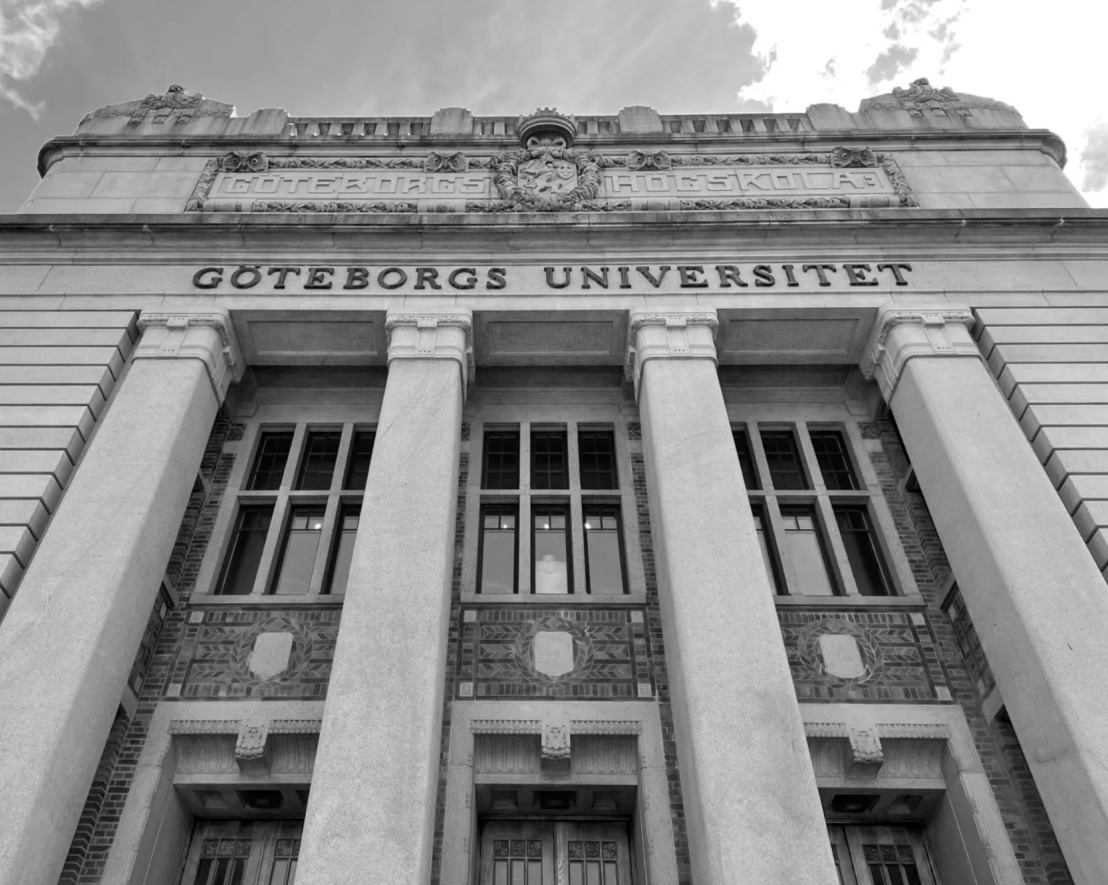


The Place of Humanities and Social Sciences
in Research Excellence for Groundbreaking Technologies
This workshop addressed how humanities and social sciences (HSS) can be meaningfully integrated into national research excellence clusters focused on groundbreaking technologies. Through structured roundtable discussions, participants examined ethical, societal, educational, and policy dimensions of advanced scientific research. The workshop was jointly organized by two VR-funded excellence networks, showing we have collaborated with other clusters, and discussed policy relevance beyond Sweden.
To develop shared perspectives on the role of HSS in research excellence and to contribute to a research article on integrating HSS into cutting-edge science.
The workshop included five thematic roundtables: Ethical, legal, and social aspects · Foresight and future imaginaries · HSS in graduate education · Visualization and science communication · Basic vs applied science in excellence research. Participants included researchers from Chalmers, University of Gothenburg, Lund University, Uppsala University, KTH, Malmö University, and Linköping University.